
No products found matching your search.
Amplifiers
History of the Guitar Amplifier
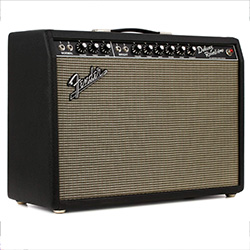
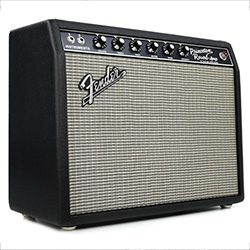
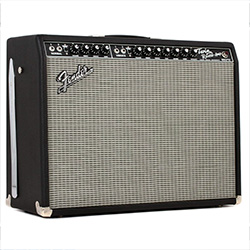
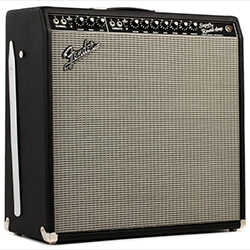
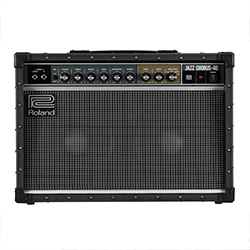
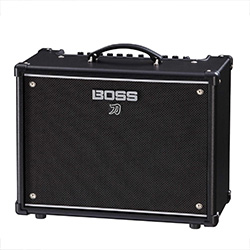
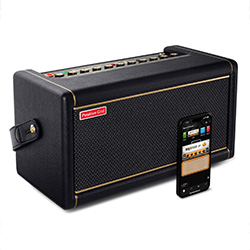
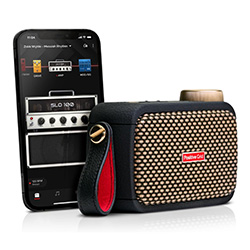
Guitar amplifiers emerged in the 1930s alongside the first electric guitars, transforming a relatively quiet instrument into one that could fill dance halls and compete with horns and drums. Early designs from companies like Rickenbacker and Gibson were modest, often pairing simple tube circuits with small speakers. The real foundation was laid in the late 1940s and 1950s by Leo Fender, whose Champ, Deluxe, Bassman, and Twin Reverb amps delivered the sparkling cleans and natural overdrive that defined American electric tone. These reliable, mass-produced units turned the amplifier into an essential half of the instrument itself, shaping the sound of early rock 'n' roll, country, and blues as players discovered the magic of pushing tubes into warm saturation.The excitement of guitar amps exploded in the 1960s and has never faded. British builders answered the demand for greater volume and aggression: the Vox AC30 gave the Beatles and the Shadows their chiming jangle, while Jim Marshall's towering stacks supplied the roaring power that fueled Hendrix, Clapton, and the birth of hard rock and metal. From there the evolution accelerated—high-gain pioneers like Mesa/Boogie, boutique tube artisans, solid-state reliability, and today's sophisticated digital modelers that can recreate virtually any classic amp in a single compact unit. Whether it's the pure touch-sensitive response of a cranked vintage combo or the endless sonic flexibility of modern profiling technology, guitar amps continue to thrill players by turning electricity and speakers into living, breathing tone. Every generation rediscovers that the right amp doesn't just make a guitar louder—it makes it sing, scream, or soar in ways that still feel brand new.