
No products found matching your search.
Effects Pedals
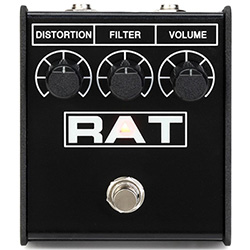
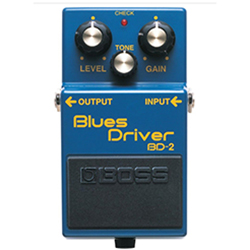
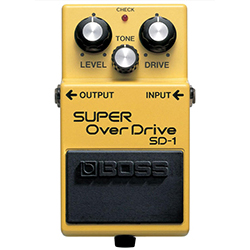
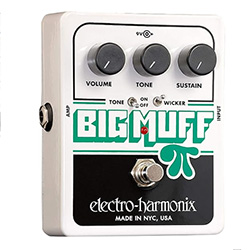
Overdrive / Distortion
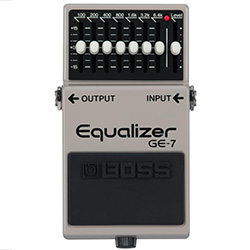
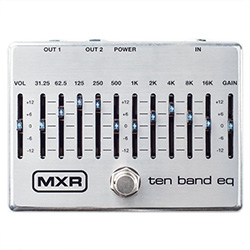
EQ
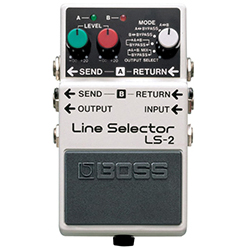
Line Selectors / Routers
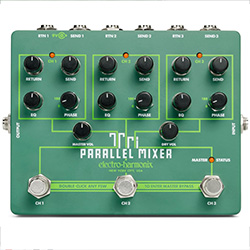
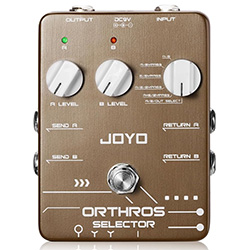
Loopers
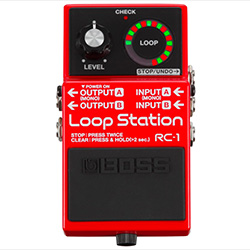
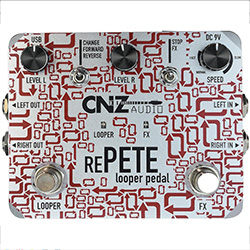
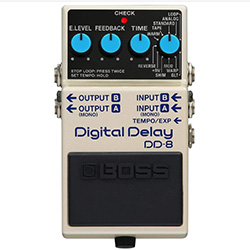
Delay / Echo
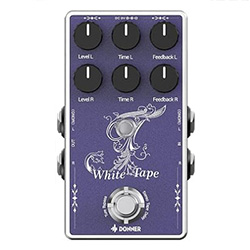
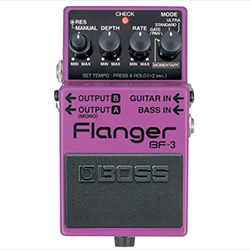
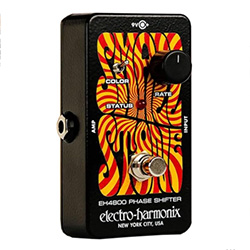
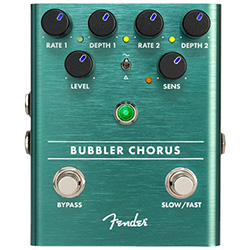
Modulation
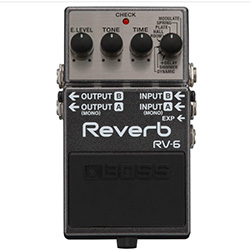
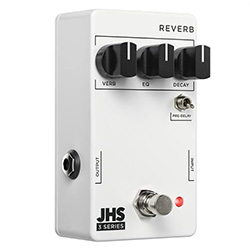
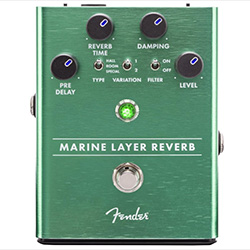
Reverb
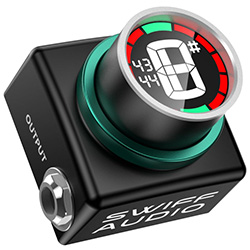
Tuners
History of Guitar Pedals
Guitar pedals began as simple solutions to expand the electric guitar’s voice beyond what amplifiers alone could offer. In the late 1940s and 1950s, built-in amp effects like tremolo and reverb hinted at new possibilities, but the true breakthrough came in the early 1960s with standalone stompboxes. The Maestro Fuzz-Tone, released in 1962 and famously used by Keith Richards on the Rolling Stones’ “(I Can’t Get No) Satisfaction,” introduced the aggressive, saturated fuzz tone that would define rock. Soon after came the wah-wah pedal—popularized by Jimi Hendrix and Eric Clapton—along with early phasers, flangers, and tape delays. Companies such as Electro-Harmonix, MXR, and Boss rapidly expanded the palette through the 1970s, turning once-experimental studio tricks into affordable, stage-ready tools that any player could stomp on mid-song.The excitement of guitar pedals lies in their endless capacity for sonic reinvention. A single board can transform a clean signal into roaring distortion, swirling psychedelia, shimmering ambient washes, or rhythmic stutters, letting players sculpt personal signatures as distinctive as their playing style. From the controlled chaos of Hendrix’s feedback and wah to the atmospheric layers of David Gilmour or the Edge, pedals have powered some of the most iconic tones in music history. Today the culture thrives more than ever: boutique builders craft hand-wired gems, digital modelers recreate vintage circuits with stunning accuracy, and musicians endlessly rearrange their boards in pursuit of the next unheard sound. That restless experimentation keeps the humble stompbox at the heart of guitar innovation—proof that a few circuits in a metal box can still open infinite new worlds of expression.